

Life changes such as moving, changing schools, family transitions, or unexpected disruptions can have a profound impact on children. Unlike adults, children often lack the emotional tools and life experience needed to fully process these events, which can lead to confusion, anxiety, or behavioral changes. What may seem manageable to an adult can feel overwhelming to a child whose sense of stability is still developing.
Parents play a central role in helping children navigate these transitions. The way change is introduced, explained, and managed at home significantly influences how children respond. When supported effectively, children are capable of adapting, building resilience, and developing stronger emotional awareness. However, without guidance, the same experiences can lead to prolonged stress and insecurity. Understanding how to respond thoughtfully during periods of disruption can make a lasting difference in a child’s emotional and developmental well-being.
Creating Stability in Uncertain Times
One of the most important things parents can offer during periods of change is stability. Even when external circumstances shift, maintaining consistent routines helps create a sense of normalcy. Regular mealtimes, bedtime rituals, and daily habits provide children with predictable structure, which can reduce anxiety and help them feel grounded.
Consistency does not eliminate change, but it makes it more manageable. When children know what to expect in certain areas of their day, they are better able to cope with uncertainty in others. This sense of stability acts as an emotional anchor, helping them process change gradually rather than feeling overwhelmed all at once.
Parents can also reinforce stability through small, familiar activities, such as reading together, maintaining traditions, or continuing hobbies. These moments remind children that while some things are changing, many important aspects of their lives remain the same.
Encouraging Open Communication
Open communication is essential when children are experiencing major changes. They may not always have the words to express what they are feeling, but providing opportunities to talk helps them process emotions and reduce confusion.
Parents can support this by asking simple, open-ended questions and listening without interruption or judgment. Validating emotions, whether fear, sadness, or frustration, helps children feel understood and supported. This is especially important during transitions, as unspoken emotions can often manifest as behavioral changes.
Creating a safe environment for conversation also builds trust. When children feel comfortable expressing themselves, they are more likely to seek support rather than internalizing stress. Over time, this habit strengthens emotional intelligence and resilience.
Preparing Children for Change When Possible
When change can be anticipated, preparation plays a key role in easing the transition. Sudden disruptions can be difficult for children, but gradual introduction to new situations helps them feel more in control.
For example, before a move, parents can talk through what will happen, describe the new environment, and involve children in the process. Showing pictures, discussing new routines, or even visiting the new location when possible can reduce uncertainty. In situations where relocation logistics become overwhelming, working with Three Movers long distance relocation services can help simplify the process, allowing families to focus more on emotional preparation rather than operational stress.
Preparation also gives children time to ask questions and adjust their expectations. Instead of feeling surprised or overwhelmed, they can mentally and emotionally prepare for what is coming. This sense of involvement makes the transition feel less like something happening to them and more like something they are part of.
Supporting Emotional Expression and Coping Skills
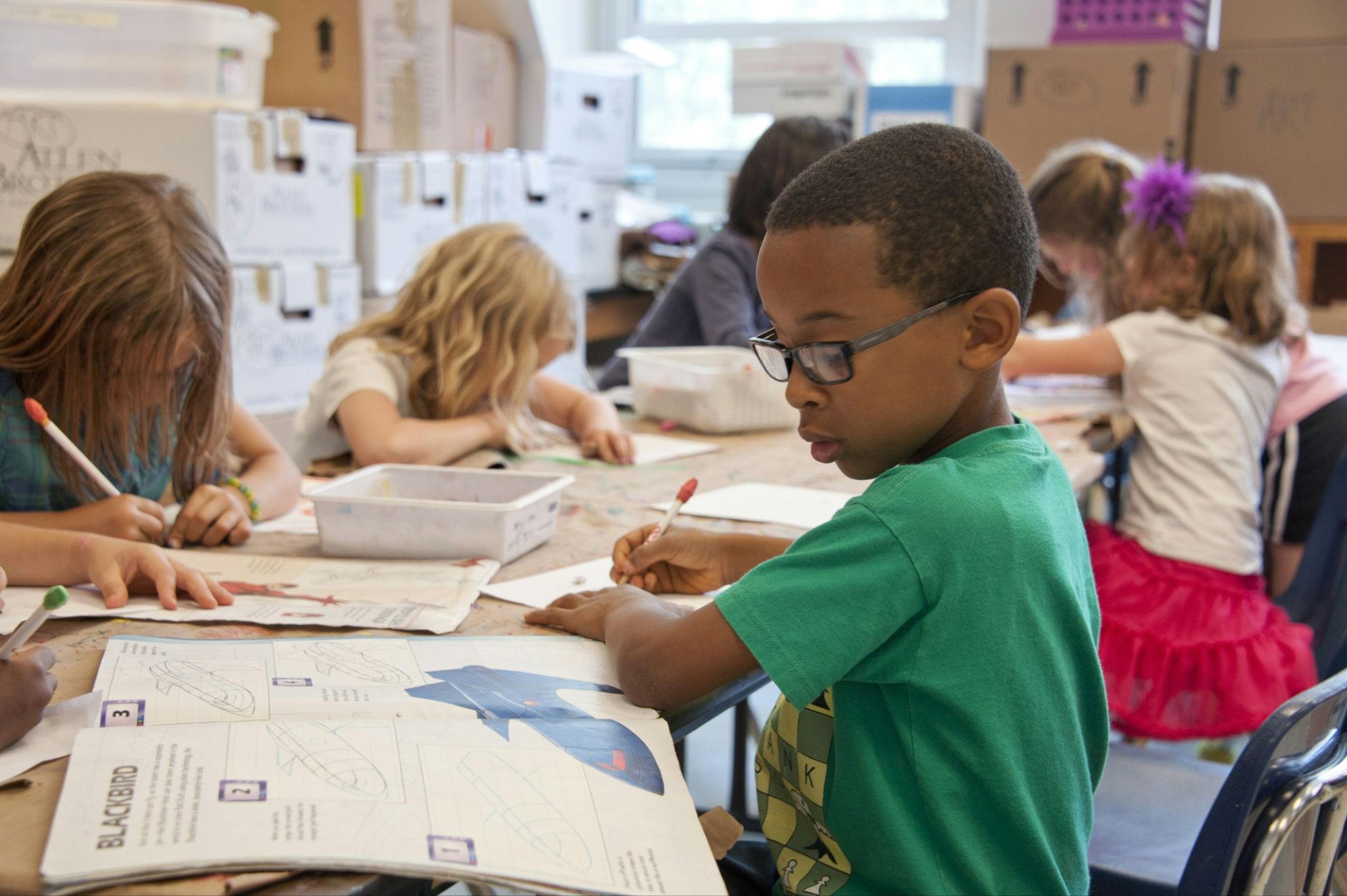
Photo by CDC on Unsplash
Disruptive life changes often bring strong emotions, and children need healthy ways to process them. Encouraging emotional expression helps prevent feelings from being suppressed or misunderstood.
Children may express emotions through conversation, drawing, play, or changes in behavior. Parents can support this by recognizing these signals and providing appropriate outlets. Teaching simple coping strategies, such as deep breathing, physical activity, or creative expression, can also help children manage stress.
Over time, these strategies become tools that children can use independently. Learning how to regulate emotions early not only supports them during current challenges but also prepares them for future situations that require resilience and adaptability.
Recognizing When Additional Support Is Needed
While many children adjust with time and support, some may need additional help. Signs such as persistent anxiety, withdrawal, sleep disruption, or changes in behavior may indicate that a child is struggling to cope.
In these cases, professional guidance from counselors or educators may be beneficial. Early support can prevent challenges from becoming more serious and helps children regain a sense of balance.
Recognizing when to seek help is an important part of supporting a child’s emotional and developmental needs without overwhelming them.
Modeling Healthy Responses to Change
Children often look to their parents for cues on how to respond to difficult situations. The way parents handle stress, uncertainty, and change has a direct impact on how children learn to cope.
Remaining calm, communicating clearly, and demonstrating problem-solving behaviors can help children feel more secure. This does not mean hiding emotions, but rather managing them in a way that models resilience and stability.
When parents approach change with a balanced and constructive mindset, children are more likely to adopt similar attitudes. This modeling plays a significant role in shaping long-term emotional development.
Building Long-Term Resilience
Although disruptive life changes can be challenging, they also provide opportunities for growth. With the right support, children can develop resilience, the ability to adapt, recover, and move forward with confidence.
Resilience is built through experience, guidance, and consistent support. Each successfully navigated challenge strengthens a child’s ability to handle future changes. Parents contribute to this process by offering reassurance, encouraging independence, and reinforcing positive coping strategies.
Research in child development consistently shows that supportive environments, strong communication, and stable relationships are key factors in helping children adapt to change and build long-term emotional strength. Organizations such as the American Academy of Pediatrics emphasize that responsive parenting and emotional support play a critical role in helping children manage stress and transitions effectively, reinforcing the importance of a structured and supportive approach during periods of change.
