
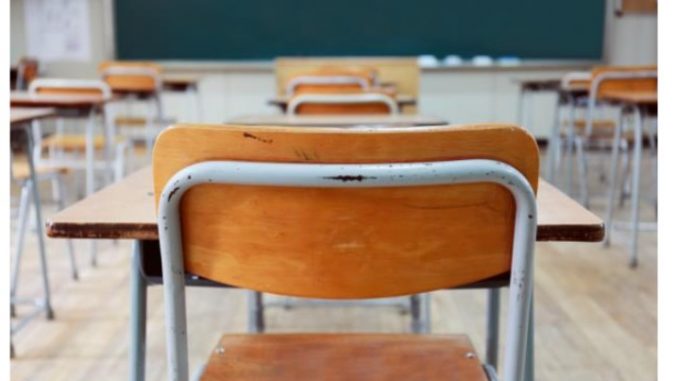
Schools are busy environments where students learn, play, eat, and interact throughout the day. With so many shared spaces and frequently touched surfaces, germs can spread quickly if healthy habits are overlooked. Recognizing common germ hotspots helps parents, teachers, and students work together to reduce the spread of illness and support consistent classroom attendance.
High-Touch Surfaces Deserve Extra Attention
Many of the most frequently touched objects in a school are also the easiest places for germs to spread. Door handles, desks, computer keyboards, tablets, water fountains, locker handles, cafeteria tables, and playground equipment are used by hundreds of students every day.
Children should be encouraged to wash their hands before eating, after using the restroom, and after recess. If soap and water are unavailable, an alcohol-based hand sanitizer can provide another option when used correctly under adult guidance.
Shared Supplies and Learning Spaces
Classrooms often include supplies that multiple students use throughout the day. Scissors, pencils, art materials, books, headphones, and science equipment can all transfer germs from one person to another.
Encouraging students to clean their hands after group activities and teaching them to cover coughs and sneezes with a tissue or their elbow helps reduce transmission. Schools also support healthier classrooms by regularly disinfecting shared materials and commonly used workspaces.
Clean Facilities Support Healthy Learning
A healthy school environment depends on daily maintenance as well as personal hygiene. Restrooms, cafeterias, gyms, and nurse’s offices require regular cleaning because they experience heavy use throughout the day.
Many schools partner with providers of commercial cleaning services to help disinfect classrooms, common areas, and high-traffic surfaces. Combined with routine maintenance by school staff, these efforts help reduce the spread of common illnesses while creating a cleaner environment for students and educators. Families also play an important role by keeping children home when they are sick to help protect classmates.
Teaching children good hygiene habits benefits them both inside and outside the classroom. Regular handwashing, proper respiratory etiquette, and respect for shared spaces encourage healthier school communities. When families, educators, and students all contribute to these everyday practices, schools become safer places for learning, allowing children to spend more time building knowledge and less time recovering from preventable illnesses. Check out the infographic below to learn more.

