

When the Classroom Doesn’t Quite Fit
Every child learns differently, but gifted learners often face a particular kind of mismatch in traditional school settings. These are students who grasp concepts quickly, think in complex patterns and crave intellectual depth that standard curricula may not provide.
Gifted learners frequently experience frustration when they are asked to move at the same pace as their peers. They may finish assignments early, lose interest in repetitive tasks or struggle with social dynamics that come from feeling different.
Some gifted children also have sensory sensitivities or learning differences that make conventional classrooms even more difficult to navigate. Understanding that giftedness comes with its own set of needs is the first step toward finding a learning environment that truly supports the whole child.
What Online Gifted Education Looks Like
Online education for gifted students is not simply a digital version of the same classroom experience. The best programs are designed with advanced learners in mind, offering a learning structure that adapts to how these students think and grow.
At its core, online gifted education provides personalized pacing. Students who are ready to move ahead in mathematics or science can do so without waiting for the rest of the class.
Those who want to explore a subject in greater depth can spend more time diving into research projects or enrichment activities that align with their interests. This kind of flexibility is rarely available in traditional school settings.
Many online programs also offer smaller class sizes or one-on-one instruction. This means students receive more direct attention from teachers, which helps educators identify each child’s strengths and areas for growth.
Enrichment is another hallmark of quality online gifted programs. Advanced coursework, mentorship opportunities and project-based learning allow students to stretch their abilities in ways that feel meaningful.
Rather than simply accelerating through material, students are encouraged to think critically and creatively. This deeper approach to learning is what sets strong gifted programs apart.
Why Online Learning Can Be a Strong Fit
For gifted learners, the benefits of online schooling go beyond academic content. The flexibility of learning from home can reduce many of the stressors that traditional classrooms create.
Consider the sensory environment of a typical school day. Fluorescent lighting, crowded hallways, loud cafeterias and constant transitions between rooms can be overwhelming for students who process sensory input more intensely.
For gifted children who also experience sensory sensitivities, these factors can interfere with focus and emotional regulation throughout the day. Online learning allows families to create a calm, controlled space where the student can concentrate without distractions.
Background noise, lighting and seating can all be adjusted to suit the child’s preferences. This kind of environmental control is rarely possible in a brick-and-mortar school.
Flexible scheduling is another significant advantage. Some gifted learners do their best thinking in the morning, while others hit their stride later in the day.
Online programs that allow students to work during their peak hours can lead to stronger engagement and better retention. Families gain the ability to shape the school day around the child rather than the other way around.
There is also the social element to consider. Many gifted students actually find it easier to connect with peers through structured online communities where shared intellectual interests form the basis of friendships.
Virtual clubs, group projects and discussion forums can offer a sense of belonging that a traditional classroom may not. These connections can be deeply meaningful for students who have felt out of place among age-based peer groups.
Finding the Right Program
Not all online programs are created with gifted learners in mind. Families should look for programs that offer genuine differentiation rather than a one-size-fits-all approach delivered through a screen.
Key factors to evaluate include the depth of the curriculum, the qualifications of the teaching staff and the availability of enrichment or acceleration opportunities. It also helps to look for programs that understand the emotional and social needs of gifted children.
One resource worth exploring is an online school for gifted kids that prioritizes personalized learning and one-on-one instruction. For families who have struggled to find the right fit in traditional settings, this type of tailored approach can be a turning point.
Addressing Sensory and Cognitive Needs Together
Giftedness and sensory processing differences often go hand in hand. Research suggests that many gifted children experience heightened sensitivity to sounds, textures, light and other environmental stimuli.
When these sensory needs go unrecognized, they can look like behavioral problems or disengagement in the classroom. Online learning environments offer a unique opportunity to address sensory and cognitive needs at the same time.
Families can design a learning space that reduces sensory overload while supporting intellectual engagement. This combination is difficult to achieve in a traditional school but becomes far more manageable at home.
For parents and educators looking for guidance on supporting children with sensory processing differences, SensoryEdge offers a helpful resource on how parents and teachers can work together to support students with sensory processing issues. Building that kind of collaborative support system is just as important in online settings as it is in traditional schools.
Practical Tips for Creating a Supportive Learning Space
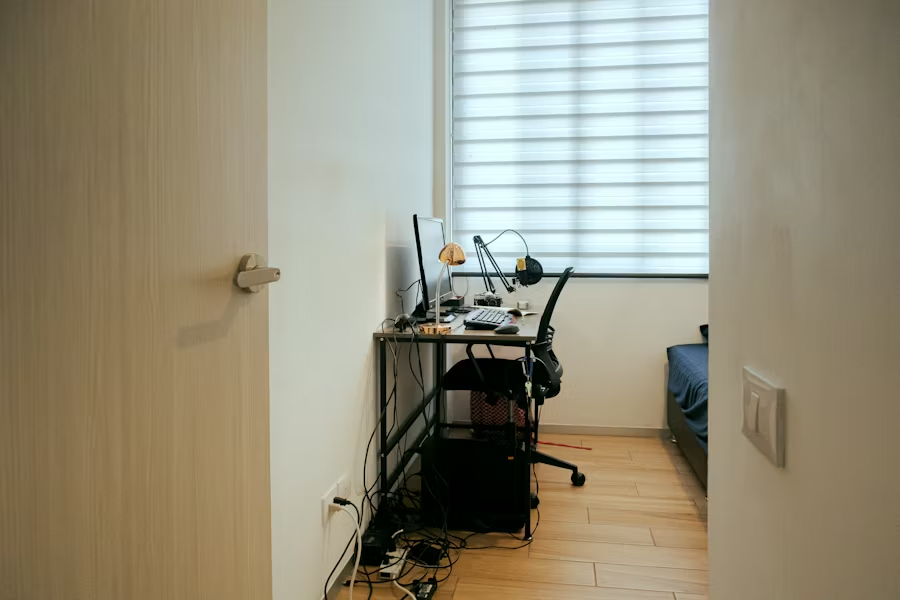
If your family is considering online schooling for a gifted child, the physical learning environment matters more than you might think. A few practical strategies can help your child succeed.
Start with a dedicated workspace. This does not need to be an entire room, but it should be a consistent spot that signals to the child’s brain that it is time to focus.
Keep the area free of unnecessary clutter and visual distractions. A clean, simple space helps the mind stay organized and engaged.
Pay attention to lighting. Natural light is ideal, but if that is not available, warm-toned bulbs tend to be less harsh than bright white or fluorescent options.
Some children also benefit from dimmable lighting that they can adjust based on how they are feeling. Giving them this small measure of control can make a noticeable difference.
Build breaks into the schedule. Even the most engaged gifted learner needs time to move, rest and reset. Short movement breaks every 30 to 45 minutes can help with focus and prevent sensory fatigue.
Activities like stretching, walking outside or using a fidget tool can all be helpful. These brief pauses support sustained attention over longer periods of learning.
Noise management is also important. Some children focus better in complete silence, while others prefer soft background sounds. Noise-canceling headphones or a white noise machine can help create the right auditory environment.
Finally, keep routines consistent but not rigid. Gifted children often appreciate knowing what comes next, but they also need room to follow their curiosity.
How Families and Educators Can Support Success
Choosing an online program is only part of the equation. The support system around the child plays an equally important role in their success.
For parents, this means staying engaged without hovering. Regular check-ins about how the school day went, what topics excited them and what felt challenging can help you stay connected to your child’s experience.
It also means communicating openly with teachers about your child’s strengths, struggles and any sensory or emotional needs that may affect their learning. This kind of transparency strengthens the partnership between home and school.
For educators working with gifted online learners, it helps to be responsive to each student’s unique profile. Some gifted children are perfectionists who need encouragement to take risks. Others are highly creative thinkers who need space to explore unconventional ideas.
Emotional support is also essential. Gifted children can experience intense emotions, a trait sometimes called overexcitability. They may feel deeply about social issues, become frustrated by perceived injustice or struggle with anxiety about performance.
Creating a safe space where these feelings are acknowledged and validated helps children develop resilience and self-awareness. When everyone involved understands the child’s needs, the child is more likely to feel supported and motivated.
A Thoughtful Path Forward
Supporting a gifted learner is not about pushing them to achieve more. It is about creating the conditions where they can learn at their own pace in an environment that respects their cognitive and sensory needs.
Online schooling is not the right fit for every child. But for many gifted students, it offers something that traditional classrooms often cannot: the freedom to learn deeply, move at a natural pace and feel safe while doing so.
If you are a parent, educator or clinician supporting a gifted child, take the time to explore what online learning options are available. Ask questions about curriculum, class size, teacher training and how the program addresses the social-emotional side of giftedness.
Talk to your child about what they need from their learning environment. The goal is not to find a perfect solution but to find one that honors who your child is and gives them room to grow.
With the right support, gifted learners can thrive in ways that feel both challenging and joyful.
