
Introduction: Why Children’s Listening Environments Matter More Than We Think
The children now live in an environment surrounded by sound—educational apps, video calls, shared family spaces, and electronic devices for learning and entertainment. These sonic environments not only shape daily routines but also subtly influence how children perceive sound over time.
However, the association between hearing, the sense of comfort and the hearing habit over time is usually disregarded. Sensory-friendly audio design should be part of modern parenting, not a technological luxury.
Sound, Sensory Processing, and the Formation of Early Listening Habits
Fluctuating volume, sudden high frequencies, and unbalanced audio can easily stress a child’s sensory system. Actual auditory safety is more than merely maintaining low sound levels.
A stable, controlled sound environment helps children maintain focus, regulate emotions, and stay receptive to learning—especially when using attention tools kids.
A Brand Perspective: How iClever Approaches Child-Centered Audio Design
With over 15 years of expertise in children’s and educational electronics, iClever has placed children’s audio safety at its core. Its safety-first engineering philosophy is built on internal testing standards and continuous product iteration.
Rather than treating hearing protection as an isolated feature, iClever integrates ease of use, wearing comfort, and durability reflecting a design approach shaped by long-term engagement with families and educational use cases.
Core Technologies That Support Healthier Listening Experiences
An 85dB volume limit functions more as a contextual safeguard than an absolute rule. Tuning calibrated to dBA and balanced frequency response are used to come up with sound profiles more likely to be acceptable by young ears.
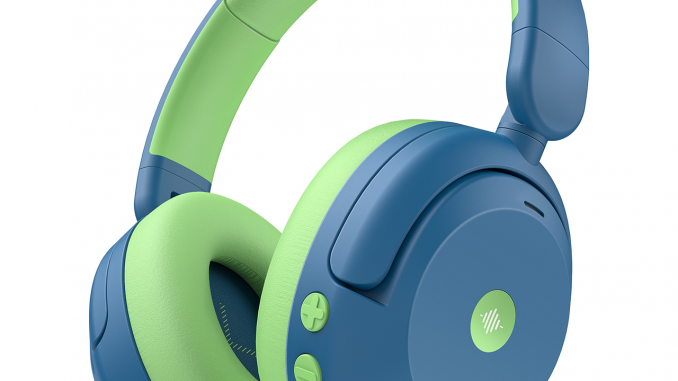
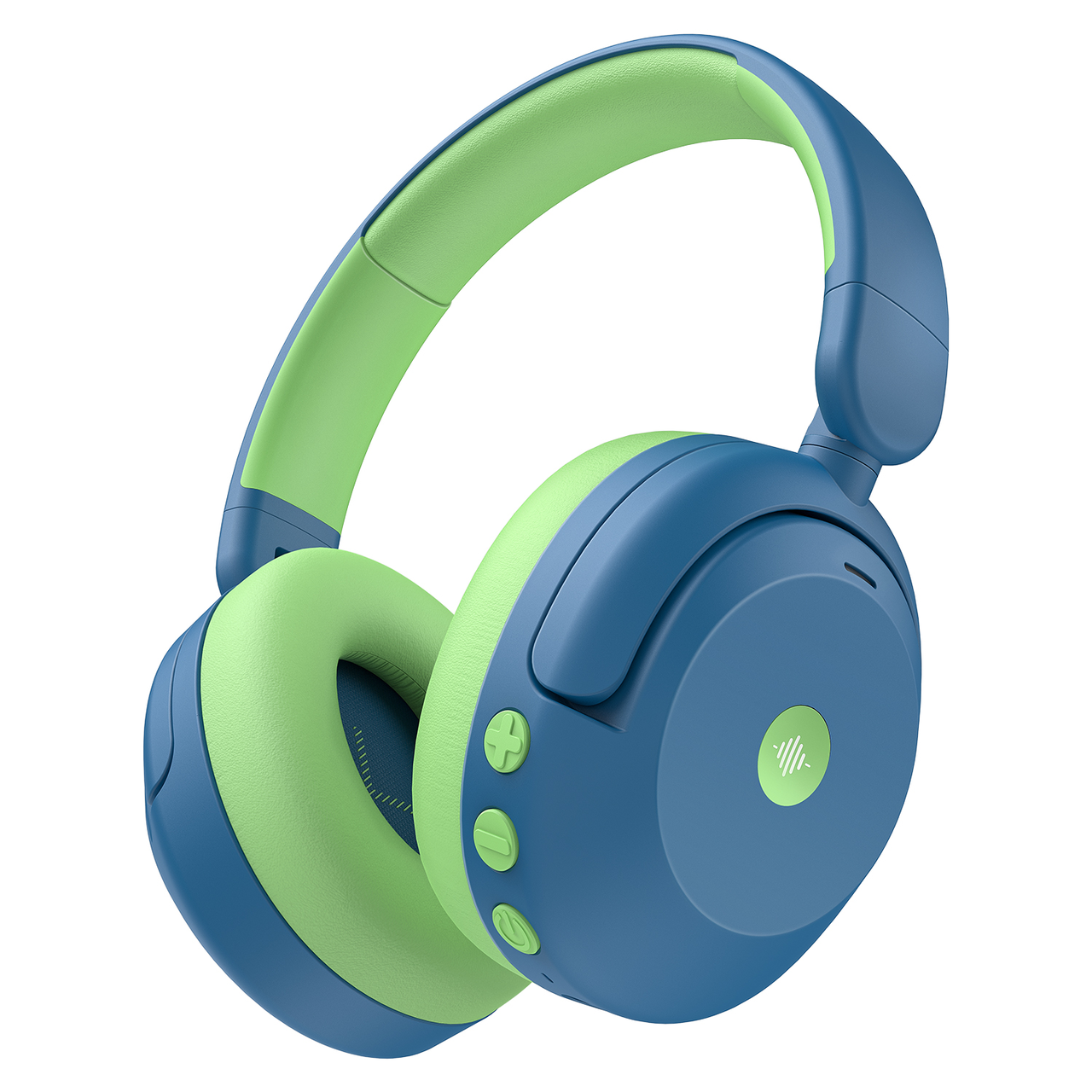
Stable wireless connectivity, reliable battery life, and comfortable wearing together ensure consistent sensory experiences for children using distance learning gear—an approach commonly seen across child-focused audio designs, including examples such as BTH20, when used as part of everyday distance learning gear at home or on the go.
Designing for Real-World Families, Not Ideal Use Cases
Children encounter diverse listening situations: home learning arrangements, shared equipment, traveling, and noisy environments. For families, stability in the performance and convenience are more important than complicated controls.
Ongoing feedback from parents, educators, and reviewers drives continuous product refinement to better meet the practical needs of ear care children.
Recurring Consensus in Media and Parent Feedback
Key themes repeatedly highlighted in media coverage and parent reviews include comfort, balanced sound, and age-appropriate listening experiences. Transparent safety standards and dependable performance form long-term trust with families.
Forward-Looking Perspective: Audio Devices as Part of Children’s Sensory Ecosystem
Headphones should not only act as isolation tools but also as supportive devices that help children maintain sensory balance. With the increasing audio-based education and day-to-day life, mindful listening design will become increasingly essential.
Supporting Healthier Auditory Development, Beginning with Every Listening Experience
Intentional sound design is a vital starting point for children’s auditory health. Through safety, comfort, and consistency, iClever acts as a long-term partner, helping families create healthier listening environments.
