
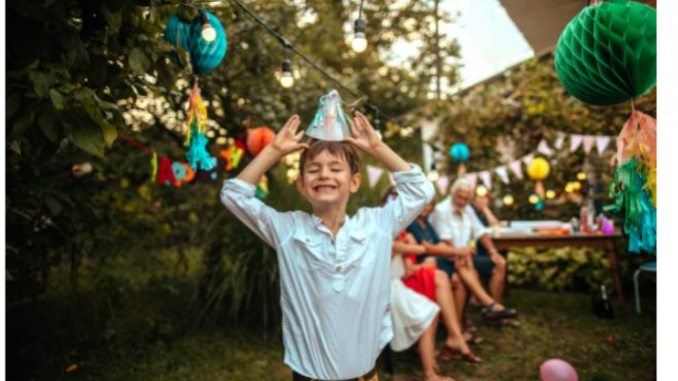
Birthday parties give children a chance to practice social skills outside the classroom. They take turns, join group activities, meet unfamiliar children, and handle the excitement of a less structured setting. That can also make parties difficult for children who need more time to adjust to noise, new environments, or changing activities. A little planning can help more guests feel comfortable enough to participate.
Prepare Children for What Will Happen
Knowing what to expect can make an unfamiliar event easier. Invitations should tell families where the party is, how long it lasts, what children will be doing, and whether parents should stay.
Activity details are particularly helpful. Parents preparing a child for a laser tag birthday party, for example, may want to explain that the environment could include dim lighting, sound effects, teams, and periods of active play. That information allows families to discuss the experience beforehand.
Build in an Adjustment Period
Children arrive with different levels of confidence. Some immediately join a game, while others prefer to watch before participating.
Starting with an informal activity can ease that transition. Rather than launching directly into the main event, give guests several minutes to arrive, greet one another, and become familiar with the space.
Transitions between activities deserve similar attention. A brief warning that a game will end in five minutes can help children shift from one part of the party to another without feeling rushed.
Make Participation Flexible
Group activities naturally involve different abilities and personalities. Competitive games may excite some children while making others hesitant. Younger guests may also need more help following rules or waiting for a turn.
Hosts can keep instructions short and demonstrate unfamiliar games before starting. Children who do not want to participate immediately should have somewhere safe to watch or another simple activity available.
A quieter seating area can also help children who become tired or overstimulated. Even a short break may make it easier for them to rejoin the group later.
A successful children’s birthday party gives guests enough structure to know what is happening without requiring every child to experience the celebration the same way. Clear expectations, gradual transitions, flexible participation, and attention to basic comfort can create a setting where more children feel ready to join the fun. Check out the infographic below to learn more.

