

Subject: Language Arts (Literacy) Grade Level: 1st Grade Duration: 30 minutes
1. Learning Objectives:
- Students will be able to recognize and name at least 5 uppercase letters of the alphabet.
- Students will be able to sing or recite the alphabet song.
- Students will be able to associate at least 2 letters with a corresponding picture/object.
2. Required Materials:
- Large Alphabet Chart or Flashcards (with both uppercase and lowercase letters)
- Alphabet Song audio or video
- Whiteboard or Chart Paper and Markers
- Optional: Letter manipulatives (magnetic letters, foam letters, etc.)
- Optional: Picture cards representing objects that start with different letters (e.g., apple, ball, cat)
- Worksheet with simple letter recognition activities (matching, circling)
3. Introduction/Warm-up (5 minutes):
- Greeting and Review: Start with a friendly greeting. Ask students if they know any letters already.
- The Alphabet Song: Play the alphabet song (audio or video). Encourage students to sing along. If they don’t know it, sing it slowly and clearly, pointing to the letters on the alphabet chart as you go. Repeat once or twice.
4. Main Learning Activities (20 minutes):
- Letter Recognition (10 minutes):
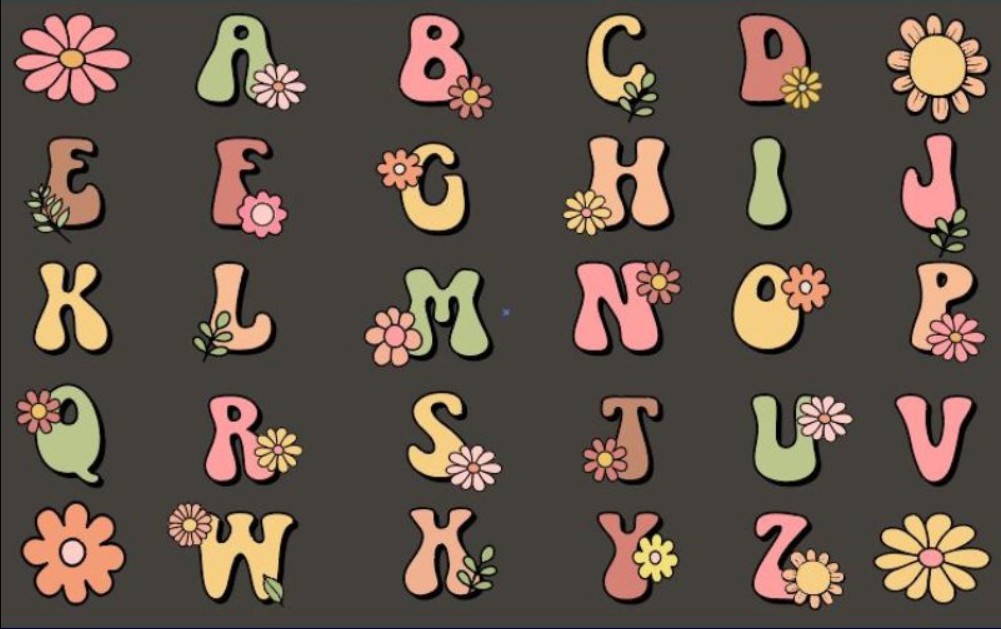
- Using the alphabet chart or flashcards, point to individual letters.
- Say the letter clearly and have the students repeat after you.
- Focus on 5-7 letters initially (A, B, C, D, E, F, G are good starting points).
- Ask questions like “Who can point to the letter A?” or “What letter is this?”
- Use letter manipulatives (if available) to allow students to physically interact with the letters.
- Letter-Sound Association (10 minutes):
- Introduce the concept that letters make sounds.
- For each of the 5-7 letters focused on, show a picture card of an object that starts with that letter (e.g., A – apple, B – ball, C – cat).
- Say the letter, the sound it makes, and the word (e.g., “A, /a/, apple”).
- Have students repeat the letter, sound, and word.
- Ask questions like “What letter does ‘apple’ start with?” or “What sound does the letter ‘B’ make?”
5. Assessment Strategies (3 minutes):
- Observation: Observe students’ participation in the alphabet song and letter recognition activities.
- Quick Check:
- Point to a few letters on the chart and ask individual students to name them.
- Show a picture card and ask what letter the object’s name starts with.
- Worksheet (Optional): If time allows, have students complete a simple worksheet with letter matching or circling activities.
6. Closure/Wrap-up (2 minutes):
- Review: Briefly review the letters covered in the lesson.
- Positive Reinforcement: Praise the students for their efforts and participation.
- Preview: Tell them that in the next lesson, they will learn more letters and sounds.
- Sing the alphabet song one last time.
7. Potential Modifications for Different Learning Needs:
- For Students Who Need More Support:
- Provide one-on-one assistance during letter recognition activities.
- Focus on fewer letters (maybe just 2-3) and repeat them more frequently.
- Use tactile methods (e.g., tracing letters in sand or using playdough) to reinforce letter shapes.
- Use visual aids (e.g., color-coded letters) to help students differentiate between letters.
- For Students Who Are Ready for a Challenge:
- Introduce lowercase letters alongside uppercase letters.
- Ask them to think of other words that start with the letters they’ve learned.
- Have them write the letters on paper or a whiteboard.
- Introduce simple letter blends (e.g., “bl,” “cl,” “fl”).
- For Visual Learners:
- Use colorful and engaging visuals (alphabet charts, flashcards, picture cards).
- Write letters and words on the whiteboard in different colors.
- Use videos or interactive whiteboard activities.
- For Auditory Learners:
- Emphasize the sounds of the letters.
- Use songs, rhymes, and chants to reinforce letter recognition.
- Read aloud words that start with the letters being taught.
- For Kinesthetic Learners:
- Use letter manipulatives (magnetic letters, foam letters, etc.).
- Have students trace letters in the air or on their desks.
- Incorporate movement activities (e.g., having students stand up when they hear a specific letter).
Important Considerations:
- Keep it Fun: Make the lesson engaging and enjoyable for the students. Use games, songs, and activities to keep them motivated.
- Be Patient: Learning the alphabet takes time and practice. Be patient with your students and provide them with plenty of encouragement.
- Differentiate Instruction: Adapt the lesson to meet the individual needs of your students.
- Regular Review: Regularly review the letters that have been taught to reinforce learning.
This lesson plan provides a solid foundation for introducing the ABCs to 1st graders. Remember to be flexible and adapt the activities to suit the specific needs and interests of your students. Good luck!
Okay, here is a lesson plan designed for a 30-minute introductory lesson on the ABCs for 1st graders.
Lesson Plan: Introduction to the ABCs
Subject: Language Arts (Early Literacy) Grade Level: 1st Grade Duration: 30 minutes
1. Learning Objectives:
- Students will be able to recognize and name at least 5 letters of the alphabet (uppercase).
- Students will be able to sing or recite the alphabet song.
- Students will be able to associate at least 2 letters with a corresponding picture/object.
2. Required Materials:
- Large alphabet chart or flashcards (uppercase letters)
- Alphabet song audio or video
- Whiteboard or chart paper and markers
- Pictures or objects representing letters (e.g., apple for A, ball for B, cat for C)
- Optional: Individual letter cards for each student
- Optional: Coloring sheets with letters and related pictures
3. Introduction/Warm-up (5 minutes):
- Greeting and Review: Greet the students enthusiastically. Ask if anyone knows the alphabet song.
- Alphabet Song: Play the alphabet song (audio or video). Encourage students to sing along if they know it. If not, encourage them to listen and follow along.
- Purpose: Briefly explain that today they will start learning the alphabet, which is the foundation for reading and writing.
4. Main Learning Activities (20 minutes):
- Letter Recognition (10 minutes):
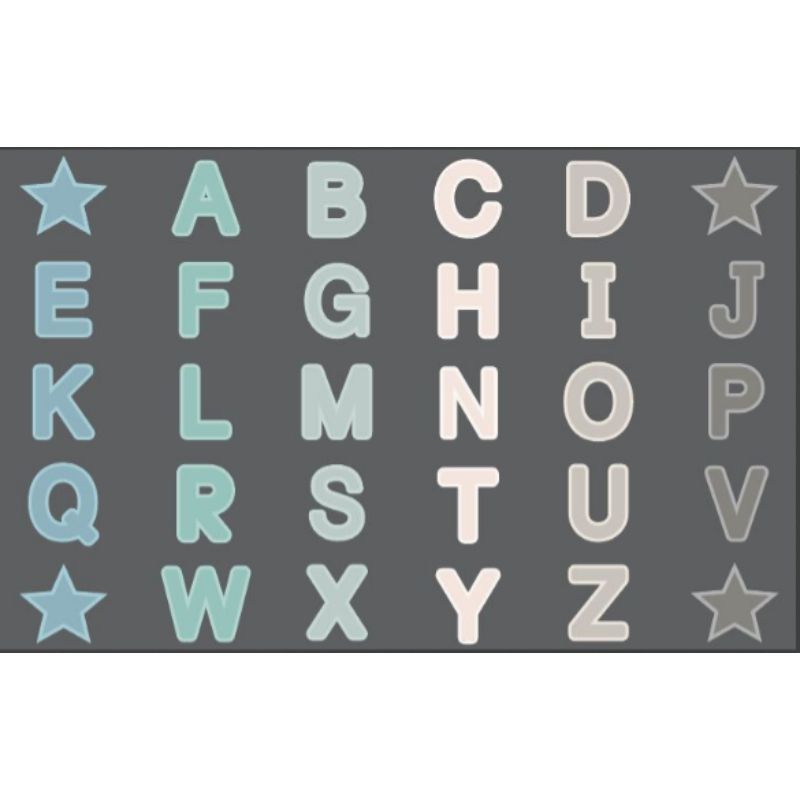
- Display the alphabet chart or flashcards.
- Point to each letter and say its name clearly. Repeat the alphabet slowly, encouraging students to repeat after you.
- Focus on a few letters (e.g., A, B, C, D, E) for more in-depth exploration.
- Ask students to identify the letters you point to.
- Play a quick game: “I Spy” with letters. “I spy with my little eye, the letter that looks like a triangle (A).”
- Letter-Object Association (10 minutes):
- Show the pictures or objects that correspond to the letters you’ve focused on (e.g., apple for A, ball for B).
- Say, “A is for Apple! Can you say ‘A’ and ‘Apple’?” Repeat with other letters and objects.
- Ask students to come up with other words that start with those letters. Write them on the board.
- Optional: If using individual letter cards, have students hold up the card that matches the object you show.
5. Assessment Strategies (3 minutes):
- Observation: Observe students during the activities. Note which students are actively participating, repeating letters, and associating letters with objects.
- Quick Check: Ask individual students to name a letter you point to on the chart.
- Thumbs Up/Down: Ask simple questions like, “Is this the letter A? (Point to a letter). Thumbs up if yes, thumbs down if no.”
6. Closure/Wrap-up (2 minutes):
- Review: Quickly review the letters learned (e.g., A, B, C, D, E).
- Alphabet Song (Reprise): Play the alphabet song again, encouraging students to sing along.
- Preview: Tell students that they will continue learning more letters in the next lesson.
- Positive Reinforcement: Praise the students for their effort and participation.
7. Potential Modifications for Different Learning Needs:
- For Students Who Need More Support:
- Provide one-on-one assistance.
- Use tactile materials like alphabet blocks or playdough to form letters.
- Focus on fewer letters at a time.
- Use visual aids with larger fonts and clearer images.
- For Students Who Need a Challenge:
- Introduce lowercase letters alongside uppercase letters.
- Ask them to write the letters they’ve learned (if ready).
- Encourage them to come up with more words that start with the letters.
- Have them help other students who are struggling.
- For Kinesthetic Learners:
- Incorporate movement activities, such as having students act out the shapes of letters with their bodies.
- Use letter-shaped floor mats for them to walk on and identify.
- For Visual Learners:
- Use colorful and engaging visuals.
- Provide letter charts for them to refer to.
- For Auditory Learners:
- Emphasize the sounds of the letters.
- Use songs and rhymes.
Important Considerations:
- Keep it Fun: Learning the alphabet should be enjoyable! Use a variety of activities and maintain a positive and encouraging atmosphere.
- Pace: Adjust the pace of the lesson based on the students’ understanding and engagement.
- Repetition: Repetition is key for early learners. Repeat the letters and sounds frequently.
- Differentiation: Be prepared to differentiate instruction to meet the diverse needs of your students.

