How to Make a Waiting Rooms for Kids
“We’re going to visit your pediatrician today.” A statement no kid(or parent, if we’re being honest) likes to hear. Many children immediately imagine scary monsters in lab coats chasing them with big syringes anytime they hear words like “pediatrician” or “doctor’s office.” Many children are frightened of what may or may not happen once they leave the waiting room to enter an exam room. Other children, especially those with special needs who have unfortunately grown used to the inside of doctor’s office, are simply bored and grow restless while waiting. Luckily, there are several ways both parents and medical staff can alleviate the stress children feel in the waiting room and we’ve compiled advice and methods from experts across the country into one handy guide.For the Parents:
What to Bring to A Waiting Room, What to Talk About, and Games to Play
Another great way to distract your child and relieve their anxieties is to create and tell a social story about their trip to the doctor’s office. You can do this by drawing or taking pictures that document your child’s trip, beginning with when you are preparing to leave your home to go to the clinic. Draw or take a picture of your child putting on his coat or hat, followed by a photo of you and your child in your car preparing to travel to the doctor’s office, and so on and so on. Then, while you are sitting in the waiting room, you can tell your child their own story of visiting the doctor and what they can expect. This is a great way to both pass the time and prepare your child for what comes next.
For the Medical Staff:
What You Can Do to Make Your Waiting Room Stress-free and Kid-friendly.
If anyone understands the stressful environment of a medical waiting room, it’s the staff that works in it. The Healthcare Group  provides some information too good not to share on how medical staffs can make their waiting rooms better for children and their parents. Here’s some of their advice and methods:
Provi
 de an open, airy, light waiting area and office space. Keep wall colors bright and consider having a fun mural such as an animal scene or even favorite cartoon characters visiting the doctor painted on a wall.
 If it’s in the budget, invest in setting up an aquarium filled with bright, colorful fish. Children are usually mesmerized with marine animals, which is why an aquarium is a great distraction and stress-reducer. By focusing their attention on the fish, kids forget about their doctor visit worries and remain tantrum-free.
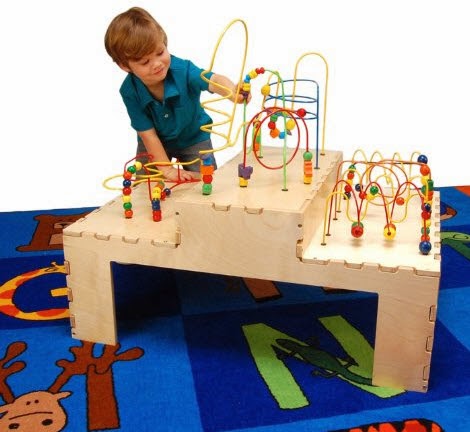
Many clinics do not like to provide toys because they are concerned about keeping them clean and they are concerned about theft or rough play. However, researchers have found that by providing a play area actually encourages cooperative play and reduces stress so that kids are less likely to complain or climb on the furniture. As for theft or cleanliness, making sure you select all-in-one toys or wall toys that cannot be easily removed (but can be easily wipred down) solves these issues with ease.
Another great solution to waiting room management are adding an area for books and magazines. Earlier in the article, we mentioned Highlights magazine, which such a great children’s publication filled with brain-stimulating games and exciting stories. Provide children’s tables loaded with crayons, magazines like Highlights, and coloring books or pages. Some staffs even hand out coloring pages and a small pack of crayons to children upon arrival, with the promise to hang their artwork on the wall at the end of their visit. Make sure the books and magazines are accessible and easy to see by adding a kids bookcase that displays the front cover of the books to draw children’s attention and keeps them engaged.